
Small Steps, Big Wins: Employee-Led Kaizen in Daily Work
Welcome to a practical journey where employee‑led Kaizen turns everyday frustrations into improvements without spending a cent. We focus on cost‑free, continuous refinement woven into daily operations through curiosity, PDCA cycles, visual management, and supportive coaching. Discover how frontline experience drives safer, faster, happier work, compounding small gains into big outcomes. Join, share your latest five‑minute fix, and subscribe to keep real stories, tools, and wins flowing across your team.
Why Everyday Improvements Beat Occasional Overhauls
Change that happens in tiny, frequent steps survives pressure, because people practice it daily and see results immediately. Employee‑led Kaizen leverages what workers already know, turning minutes into measurable impact. Without budgets or consultants, teams remove friction, reduce errors, and build confidence that fuels the next improvement, creating a reliable engine of performance.
Improve a process by just one percent each workday and the effect compounds dramatically: roughly 1.01 to the power of 260 yields more than twelve times better performance. That growth comes from tiny cycle‑time trims, fewer handoffs, and clearer checks that accumulate without disrupting normal work.
A packing associate noticed five wasted steps to fetch tape for every box, costing seconds per order and aching shoulders by noon. By relocating dispensers within arm’s reach and marking restock points, the team saved hours weekly and felt immediate relief that inspired further tweaks.
Momentum grows when experiments are tiny, time‑boxed, and visible. Use a whiteboard to track ideas, owners, and tomorrow’s check, then celebrate what worked and learn from what did not. Energy rises because everyone can participate, no purchase order required, just curiosity and consistency.

Starting From Zero: Activate Frontline Voices
Real improvement starts by listening where the work lives. Invite people to point at obstacles, sketch quick fixes, and test within today’s shift. Psychological safety matters most: replace blame with learning, honor experiments over heroes, and protect time for five‑minute Kaizens that prove change can be simple and shared.

Gemba Conversations That Spark Ideas
Step to the place where value is created, then ask generous questions: what slows you down, where do you wait, what do you reach for twice? Stay curious, take notes, photograph reality, and end by agreeing on a test small enough to try before lunch.
Suggestion Flow, Not Suggestion Box
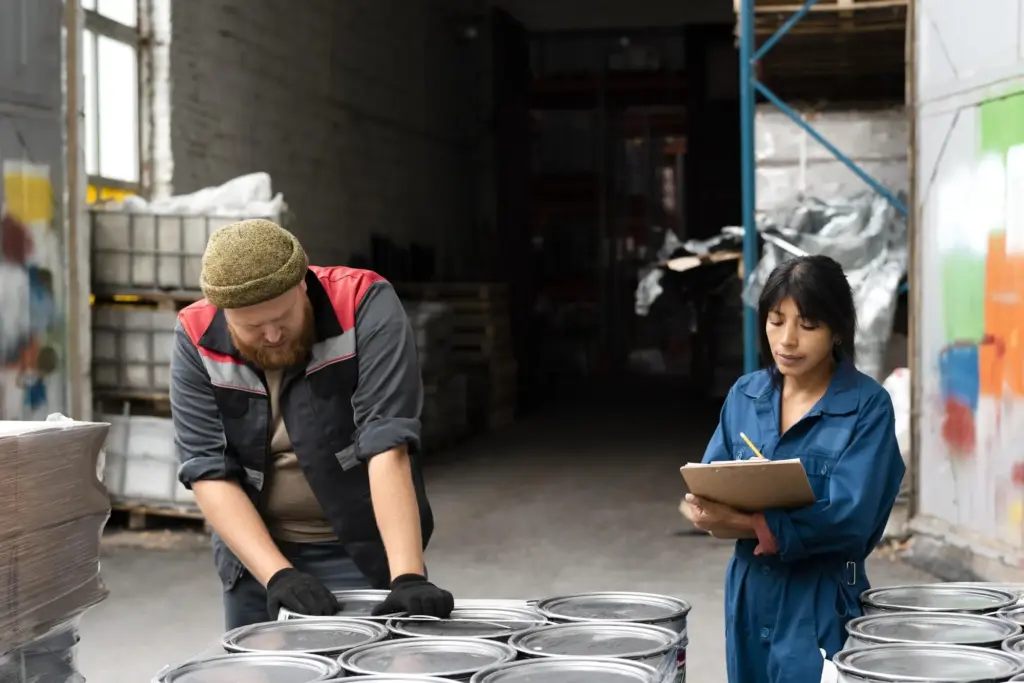
Classic boxes bury ideas. Build a visible flow instead: a simple board with columns for proposed, testing, checked, standardized, and archived. Assign owners, dates, and success criteria. Discuss during huddles so ideas move daily, never aging in darkness, and everyone sees progress in real time.

See the Invisible with Simple Maps
Grab paper and sketch a quick spaghetti diagram of a task, tracing movement and handoffs. The first drawing is often messy, which is perfect: mess reveals rework, detours, and collisions. Circle hotspots, propose a lighter route, and test with one person to gather evidence.

Turn Waiting into Working
Waiting hides in approvals, machines warming up, or information arriving late. Counter it with level loading, clearer triggers, and pre‑staging materials during slow periods. A tiny checklist that prevents missing inputs can reclaim surprising minutes, and a visual signal ensures help appears before queues grow.

Unleash Overlooked Talent
Underused skills are a waste as real as scrap. Invite employees to list abilities they want to practice more, then pair them with experiments that stretch capability. Cross‑training increases flexibility, strengthens coverage during absences, and often surfaces brilliant shortcuts that only fresh eyes could spot.
Rapid Experiments with PDCA and A3 Thinking
Speed reduces risk when experiments are small and learning‑rich. Use PDCA to frame intent, try a reversible change, and study the data before you scale. A3 storytelling clarifies the problem, context, root causes, and countermeasures on one page, inviting teams to align and act together.
Visual Management That Costs Almost Nothing
Make work visible so decisions are obvious. A wall, tape, markers, and a smartphone can create a powerful control center. Show today’s goals, blockers, and wins; color‑code risks; and use simple signals to pull help. Visibility invites contribution, accelerates alignment, and keeps improvements alive after enthusiasm fades.
Whiteboard Control Center
Run a crisp daily huddle at the board, scanning safety, quality, delivery, cost, and morale metrics. Capture yesterday’s wins, today’s risks, and one tiny improvement per cell or team. Assign owners in ink, set check times, and close by clearing blockers that surfaced during discussion.
5S Without Buying a Thing
Sort what you actually use, set it in order with labels and tape outlines, shine to reveal problems, standardize with simple photos, and sustain through weekly audits. The space becomes self‑explaining, reducing time spent searching, lowering defects, and making safety natural rather than enforced.

Build Habits: Huddles, Coaching, and Reflection
Habit beats memory. Protect short, frequent routines that lock improvements into how work is done. Use daily huddles for alignment, leader standard work for coaching moments, and weekly reflection to refresh focus. These rituals cost nothing, yet they compound skills, trust, and performance across teams and shifts.
Ten‑Minute Daily Huddle
A tight agenda keeps energy high: safety spot, yesterday’s metrics, today’s goals, one bottleneck, one improvement, owner and timebox, quick gratitude. Stand up, keep time visible, and finish with clear commitments. If something needs debate, park it and protect the circle’s momentum and morale.
Leaders as Coaches, Not Fixers
Ask questions that grow capability: what is the actual condition, where is the gap, what did you try, what did you learn, what will you try next? Resist solving. Model humility, remove barriers, and credit the team so ownership stays where learning happens.
Share Stories That Travel
Capture experiments in short notes with photos, metrics, and names, then spread them through huddles, chats, or a simple newsletter. Stories become portable training that inspires action elsewhere. Invite replies, questions, and new trials, turning communication into a catalyst for compounding improvement across locations.
All Rights Reserved.